The entertainment industry has long been a beacon of creativity and aspiration, drawing millions of people into its orbit. Yet, beneath the glitz and glamour lies a darker side—a realm where power, influence, and unchecked privilege have often allowed exploitation and misconduct to fester.
The Power Dynamics in Entertainment
At the core of many issues within the entertainment world lies an imbalance of power. High-profile figures—producers, executives, and artists—wield tremendous influence over aspiring talents who see them as gatekeepers to success. This dynamic can create opportunities for abuse, particularly when accountability is lacking.
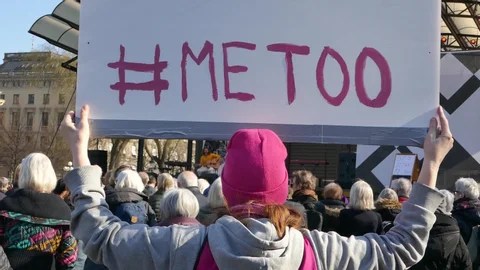
For decades, stories of exploitation and mistreatment have surfaced, from casting couch scandals to financial manipulations. Some cases have been well-documented, such as the Weinstein scandal, which spurred the #MeToo movement. Others remain whispers, buried under the weight of NDAs, threats, and a culture of silence.
Youth in the Industry: A Vulnerable Group
One of the most concerning aspects of exploitation in entertainment is the vulnerability of children and young adults. Many are drawn into the industry with dreams of fame and fortune, only to face pressures, manipulation, or worse. The lack of robust protections for young performers has led to countless stories of harm—ranging from emotional abuse to financial exploitation and, tragically, sexual misconduct.
Parents and guardians, often eager to see their children succeed, may not fully understand the risks. This lack of awareness underscores the need for stricter industry regulations, transparent contracts, and a clear framework to protect minors.
The Role of Wealth and Fame
The entertainment industry’s culture of excess and privilege can sometimes shield wrongdoers from accountability. Wealthy and influential individuals may use their resources to silence victims, manipulate narratives, or avoid legal repercussions. This perpetuates a cycle where victims feel powerless, and perpetrators operate with impunity.
Public fascination with celebrity life also plays a role. The idolisation of stars can make it difficult for society to see their flaws or believe accusations against them. This has led to a dangerous environment where accusations are dismissed as mere gossip, rather than investigated with the seriousness they deserve.
The Fight for Change
Over the past decade, progress has been made to address these systemic issues. Movements like #MeToo and Time’s Up have shed light on misconduct and empowered survivors to come forward. Whistleblowers and investigative journalists have played a crucial role in exposing wrongdoing, helping to dismantle the structures that enable abuse.
However, the fight is far from over. It requires collective effort from all stakeholders—audiences, media, industry professionals, and lawmakers—to build a culture of transparency and accountability. This includes enforcing stricter laws, creating independent oversight bodies, and supporting victims who seek justice.
Moving Forward
The entertainment industry has the power to inspire and influence millions. To uphold its promise, it must confront its darker side and commit to meaningful reform. By addressing systemic issues and holding those in power accountable, we can ensure that future generations of artists, performers, and creators can thrive in an environment that respects their dignity and safety.
Article by Hakan Nurhak







 BEST DJ - Music - Games - Movies - Review’s