Once upon a time, becoming a DJ meant years of digging through crates, learning phrasing, mastering transitions, reading dancefloors, and earning respect one sweaty night at a time.
Now?
Sometimes it looks like all you need is a ring light and a subscriber count.
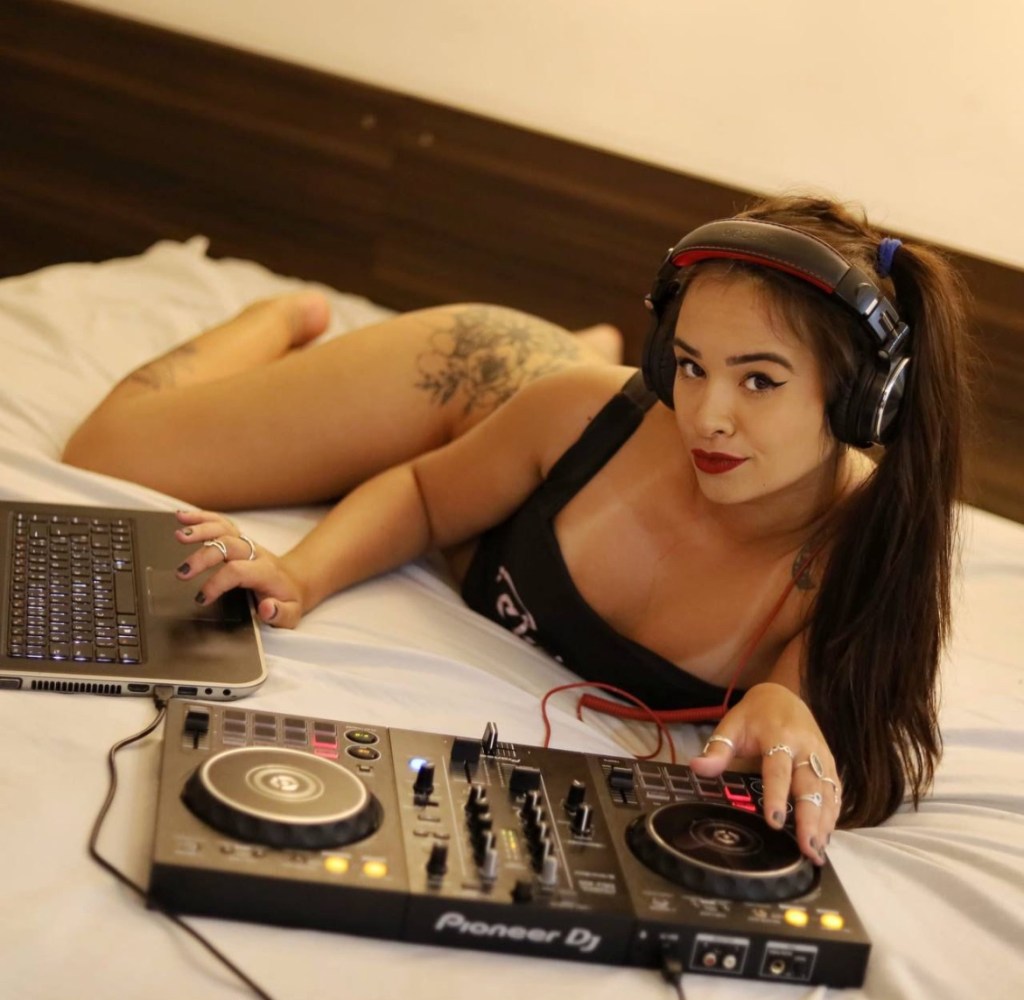
A growing trend has started to spark debate across clubs, festivals, and online communities: social media influencers and OnlyFans creators stepping into DJ booths — often jumping straight to headline slots without the years of grind traditionally required.
And it’s dividing the scene.
The Old Way: Skill First
DJing used to be a craft.
You learned:
• Beatmatching by ear
• Track selection psychology
• Energy control
• Crowd reading
• Technical mixing
It wasn’t glamorous.
It was late nights, empty rooms, £50 gigs, broken equipment, and years of proving yourself.
Respect wasn’t given. It was earned.
The New Way: Followers First
Today, promoters face different pressures.
Clubs want:
• Ticket sales
• Social media reach
• Viral marketing
• “Instagrammable” moments
So when someone with 500k followers says they’re a DJ, the business side sees guaranteed exposure.
From a marketing standpoint, it makes sense.
From a cultural standpoint… it feels hollow.
Because the question becomes:
Are we booking DJs for their music… or their body?
When Image Replaces Art
Let’s be clear — this isn’t about gender or shaming anyone’s hustle.
Anyone can learn to DJ.
Everyone deserves a chance.
But skipping the craft entirely and relying purely on online popularity?
That’s where it hurts the culture.
When:
• Sets are pre-recorded
• Transitions are sloppy
• Song selection is random
• The focus is selfies, not sound
The dancefloor notices.
Music becomes background noise to content creation.
And DJing becomes cosplay.
The Real Cost
The biggest victims?
Talented underground DJs.
The ones who:
• Spent years perfecting their sound
• Built local scenes
• Supported venues
• Studied the art form
They get passed over because they don’t have “engagement metrics.”
Imagine telling a guitarist they can’t play a festival because they don’t post enough selfies.
It sounds ridiculous.
Yet that’s exactly what’s happening to DJs.
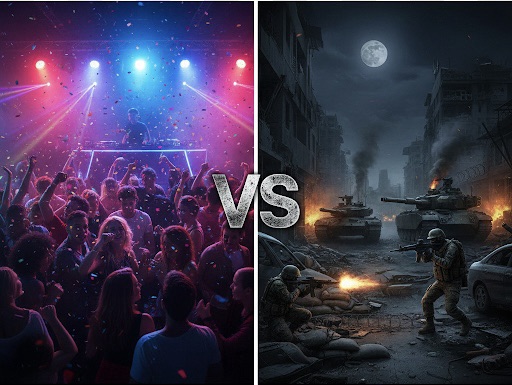
Business vs Culture
Here’s the uncomfortable truth:
Clubs are businesses.
They follow money.
But scenes are cultures.
They follow passion.
When business completely replaces culture, something dies.
The soul.
Electronic music was born from rebellion, creativity, underground energy.
Not influencer marketing strategies.
So What’s the Solution?
Maybe it’s balance.
If influencers want to DJ — great.
Learn the craft. Respect the culture. Put in the work.
Because when talent meets reach?
That’s powerful.
But reach without talent?
That’s just noise.
Final Thought
DJing isn’t about looking good behind decks.
It’s about making people lose themselves in music.
When the lights go down, nobody cares about follower counts.
They care about how the set made them feel.
And no algorithm can fake that.



 BEST DJ - Music - Games - Movies - Review’s