How one of DJing’s most recognisable techniques went from underground innovation to mainstream culture — and why we hear less of it today
There was a time when you could hear a DJ scratch and immediately know what you were listening to.
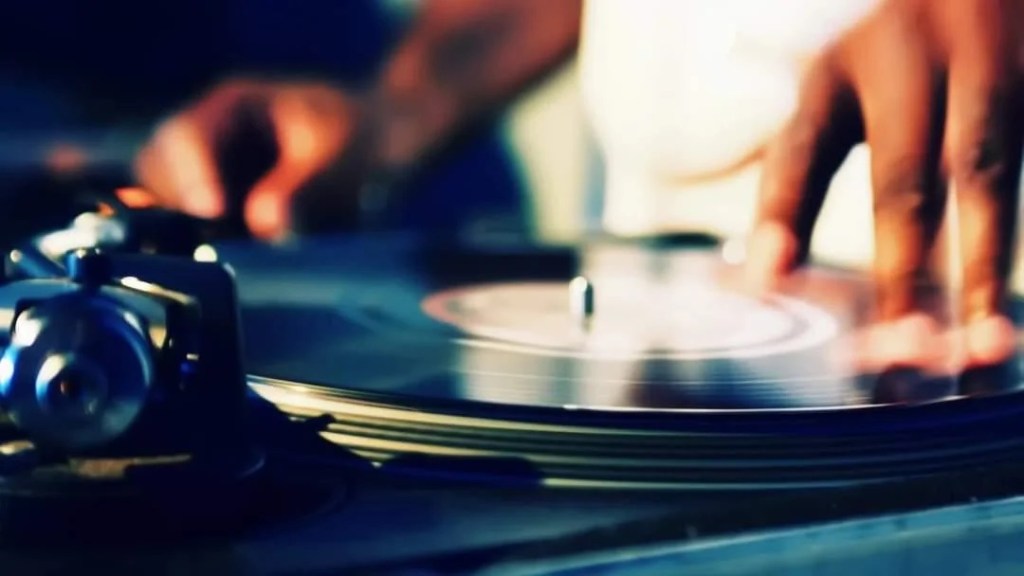
The sound of a record being pushed backwards and forwards beneath a stylus, chopped against the fader, transformed into rhythmic patterns and musical phrases, became one of the defining sounds of DJ culture.
During the 1990s, scratching reached a level of popularity and visibility that few DJ techniques have matched since.
But somewhere around the turn of the millennium, things began to change.
Scratching didn’t disappear. Far from it. There are still incredibly skilled turntablists around the world. But it gradually moved away from the centre of popular DJ culture.
So what happened?
WHERE DID SCRATCHING COME FROM?
Scratching developed from the early hip-hop DJ culture of the 1970s.
Pioneering DJs including Grand Wizzard Theodore, Grandmaster Flash, Afrika Bambaataa and DJ Kool Herc helped establish the techniques and culture that would eventually become turntablism.
Grand Wizzard Theodore is widely credited with discovering the basic scratching technique in the mid-1970s, reportedly after accidentally moving a record back and forth while experimenting with a turntable.
What began as experimentation became an art form.
DJs discovered that the record itself could become an instrument.
Instead of simply playing music, the DJ could manipulate it.
A drum hit could be repeated.
A vocal could be chopped.
A word could become a rhythmic sound.
A single record could suddenly become something completely different in the hands of a skilled DJ.
THE 1990s: SCRATCHING GOES MAINSTREAM
By the 1990s, scratching had become deeply embedded in hip-hop and DJ culture.
Groups such as Beastie Boys, Cypress Hill, Public Enemy and many others helped expose millions of people to turntable techniques.
Meanwhile, turntablist culture was developing rapidly.
Competitions such as the DMC World DJ Championship gave technically gifted DJs a platform to demonstrate what was possible with two turntables, a mixer and a collection of records.
DJs such as DJ Qbert, Mix Master Mike, DJ Craze, Roc Raida and DJ Babu pushed scratching and turntablism into increasingly technical territory.
For many young DJs growing up during the 1990s, learning to scratch was almost a rite of passage.
You bought your first turntables.
You bought records.
You practised.
You destroyed records.
You learned how to transform a simple sound into a routine.
And eventually, if you were good enough, you could make two pieces of vinyl sound like an entirely new musical performance.
SCRATCHING WASN’T JUST A SOUND — IT WAS AN IDENTITY
Part of the appeal of scratching was that it made the DJ visible.
A DJ wasn’t simply someone standing behind the decks selecting records.
The hands were part of the performance.
The movement of the record, the crossfader, the headphones and the interaction between DJ and turntable became part of the show.
You could watch someone scratch and understand that there was genuine skill involved.
There was timing.
Coordination.
Rhythm.
Musical knowledge.
And an enormous amount of practice.
For many DJs, scratching represented the idea that the DJ could be an actual musician.
The turntable became an instrument.
THEN THE MILLENNIUM ARRIVED
Around the early 2000s, DJ technology and music culture began changing dramatically.
CDJs became increasingly popular.
Digital music started becoming more accessible.
MP3s changed how DJs collected and carried music.
Computer DJ software eventually made it possible to manipulate music in ways that would have previously required an extensive vinyl collection.
The DJ booth began to change.
And so did the skills many DJs prioritised.
Instead of spending hours practising scratches, many new DJs were learning beatmatching, mixing, effects, looping, production and eventually digital performance techniques.
Electronic dance music was also becoming increasingly dominant in clubs and festivals.
In many of those environments, the emphasis wasn’t necessarily on turntable manipulation.
It was about the selection.
The mix.
The build-up.
The drop.
The atmosphere.
The experience.
Scratching simply wasn’t essential to that style of DJing.
VINYL WAS BECOMING LESS PRACTICAL
There was another major factor.
Vinyl is heavy.
Very heavy.
A DJ carrying several record boxes could be transporting hundreds of records just to play a few hours.
Digital music changed that completely.
A laptop, USB drive or memory card could potentially contain thousands of tracks.
For DJs who were primarily interested in playing music rather than turntablism, the practical advantages were obvious.
And when the music format changes, the techniques associated with that format can change too.
DID DIGITAL DJING KILL SCRATCHING?
Not exactly.
In fact, technology eventually gave turntablists new tools.
Digital vinyl systems such as Serato Scratch Live allowed DJs to control digital files using traditional turntables.
This meant DJs could retain the physical feel of vinyl while accessing a digital music library.
Modern controllers and software also allow DJs to scratch digitally.
So the technology didn’t necessarily kill scratching.
It simply removed scratching from being a fundamental part of everyday DJing.
That’s an important distinction.
SCRATCHING BECAME A SPECIALISM
Perhaps the biggest change is that scratching went from being something many DJs wanted to learn to something primarily associated with specialist DJs.
The turntablist.
The battle DJ.
The hip-hop DJ.
The technical performer.
You can still find extraordinary scratching performances today.
But walk into many mainstream clubs and you’re unlikely to hear extended scratch routines in the way you might have during the 1990s.
The technique survived.
The culture surrounding it became more specialised.
HAS SCRATCHING REALLY DECLINED?
That depends on what we mean by “decline.”
If we’re talking about technical ability, there are arguably DJs today who can do things with turntables that would have seemed impossible decades ago.
If we’re talking about how frequently the general public encounters scratching, however, the difference is much more noticeable.
Scratching isn’t necessarily worse.
It simply isn’t as central to mainstream DJ culture as it once was.
And perhaps that’s the natural evolution of any technology-based art form.
The equipment changes.
The music changes.
The audience changes.
The techniques change.
WHAT HAVE WE LOST?
There is something special about watching a DJ physically manipulate a record.
A record doesn’t automatically do anything.
The DJ has to physically interact with it.
Every movement matters.
Every tiny adjustment of the hand can change the sound.
There is a human element to it.
Perhaps that is why scratching still has such a strong nostalgic connection for people who experienced the golden years of turntablism.
It reminds us of a period when DJing was intensely physical.
Two turntables.
A mixer.
A crate of records.
And countless hours of practice.
BUT SCRATCHING ISN’T DEAD
Maybe scratching doesn’t need to return to the mainstream.
Maybe it simply needs to be appreciated for what it is.
An important part of DJ history.
A musical technique.
A form of performance.
And an art form that helped change the way people understood what a DJ could actually do.
The DJs who continue to scratch today are keeping that tradition alive while also pushing it forward.
And who knows?
As vinyl continues to attract new generations of music lovers, perhaps scratching will find another audience.
Because trends come and go.
Technology changes.
Music evolves.
But the fundamental attraction of a DJ taking a piece of recorded music and turning it into something completely new is still there.
The record may have changed.
The equipment may have changed.
The audience may have changed.
But the idea of the DJ as an instrument player never really disappeared.